A Practical Guide to Hotel-Grade Bedding: Choosing Sheets by Weave, Thread Count, and Care
In the world where hospitality meets haute textiles, the bed linen becomes more than fabric—it becomes a ritual. Hotelsheets.co invites you to a couture-inspired exploration of sheets that balance durability, comfort, and easy maintenance. This guide decodes the language of hotel-grade linens: weave, thread count, fiber, and care, translating them into actionable choices for front desks, housekeepers, designers, or curious readers who crave a hotel-like calm in their own rooms.
We begin with the core choices that shape guest experience: the weave. Percale vs. satin (sateen) are the two heavyweight contenders in the hotel arena. Percale offers a crisp, cool hand—think a refreshing breeze on a summer night. Sateen, by contrast, delivers a soft, silky drape that glows with subtle luxury. Hotels must balance breathability for turnover nights with the desire for a tactile, inviting surface. The decision often unfolds in the guest room’s climate, brand aesthetic, and laundering cadence.
Thread count, fiber, and finish are not mere numbers. They are the promise of performance: how a sheet handles a week of back-to-back turnovers, how it resists pilling after countless launderings, and how it feels against the skin after a late check-in. In this guide, we journey through brands recognized for hospitality-grade excellence—Naturepedic, Sleep and Beyond, BOVI, Sferra—and examine representative offerings such as the Bovi Windsor Cotton Sateen Sheet Set. Our aim is not to sell you a single product, but to empower you with a framework for informed, confident selection.
Weave: Percale vs. Sateen — The Breathability and Feel Equation
The weave is the first language a sheet speaks. It determines air flow, moisture management, and the tactile memory of the fabric after repeated washes. Percale is a simple over-under basket weave that feels crisp and cool. It is the hotel classic for warm climates and busy properties where guest turnover is high. A typical 300–400 thread-count percale will feel taut and structured, finishing to a matte surface that wears beautifully with heavy laundering cycles.
Sateen adopts a different philosophy: a face of satin-like sheen produced by a higher fill of warp yarns. The result is a smoother, more luminous surface with a drapier hand. Sateen sheets feel subtly warmer and more enveloping, which can be a luxe counterpoint to a crisp duvet cover. In hotel suites, sateen often signals refined comfort with easier care over time, provided the fiber choice supports durability.
Practical takeaway:
- For hot climates or high-traffic properties, consider a crisp percale with a cotton or a linen blend for durability and quick drying.
- For premium comfort in hospitality settings and boutique hotels, a high-quality cotton sateen with a robust thread count (around 300) can offer a luxurious, hotel-like finish while maintaining durability.
Percale
Crisp, breathable, matte finish; ideal for warm guest rooms and high-turnover rooms.
Sateen
Silky, drapey, slight sheen; best for luxury or boutique properties seeking a refined feel.
Fiber Content: Cotton, Linen, and Blends — The Core of Comfort
Fiber selection defines breathability, hand feel, and laundering resilience. Long-staple cottons, such as Egyptian or Pima varieties, provide a balanced combination of softness and durability. Linen brings temperature regulation and a tactile, relaxed texture that gains character over time. Blends, including cotton-linen or cotton-TENCEL, blend the strengths of each fiber to create sheets that manage moisture, resist wrinkles, and age gracefully under repeated use.
Consider the following benchmarks:
- 100% cotton percale (highly breathable, crisp hand, easy maintenance)
- 100% cotton sateen (soft, luminous, but more prone to wrinkling if not robust)
- 100% linen (excellent temperature regulation but higher price and care considerations)
- Blends (cotton-linen, cotton-TENCEL, or other performance fibers) for multi-season versatility
In the curated library we reference premium examples such as Naturepedic Organic Linen Sheets for an organic linen option, Sleep and Beyond’s organic cotton percale and Sleep and Beyond mySheet Set, and the Bovi Windsor Cotton Sateen Sheet Set for a classic satin finish with hotel-worthy breathability. These choices illustrate how the fiber story translates into guest comfort and lifecycle performance.
Care and Longevity: Laundry Cadences, Colorfastness, and Easy Upkeep
A major part of hotel-grade bedding is maintenance. The best sheets withstand seasons of laundering without losing their shape, color, or softness. Care instructions—water temperature, detergent choice, drying method, and ironing expectations—shape the total cost of linen ownership for a property.
Practical care guidelines:
- Wash at moderate temperatures (30–60°C) depending on fiber; avoid excessive heat which can degrade fibers and colors over time.
- Use a mild detergent without optical brighteners that may affect fabric integrity.
- Avoid fabric softeners that can leave residues, reducing absorbency in towels and affecting sheet performance.
- Line dry when possible to reduce energy use; tumble dry on low or medium heat to preserve fabric integrity.
- Ironing: percale can benefit from light ironing on cotton setting; sateen can be ironed or steamed to restore smoothness.
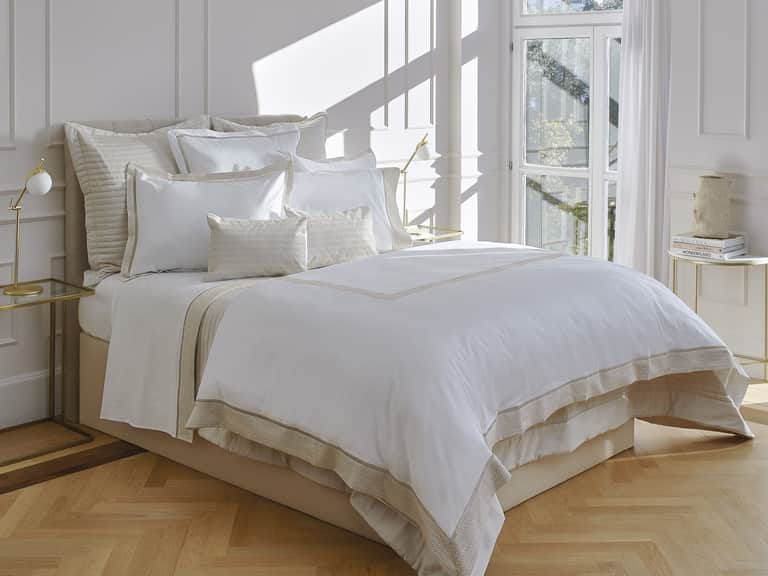
In our featured products, the Bovi Windsor Cotton Sateen Sheet Set demonstrates a balance of softness and durability, with a 300-thread-count cotton sateen and a refined border for a hotel-appropriate presence. Luxurious yet practical, Windsor embodies the fashion-forward approach to hotel sheets that modern properties demand.
Key Figures Who Shaped the World of Textiles (Across Eras)
In the glamorously precise universe of textiles, certain players stand out for their influence on how we experience fabric every night. Here are three pivotal figures from different periods:
1) Florence Nightingale (1820–1910) — The Influence of Care on Linen Standards
Nightingale’s reforms in hospital hygiene inspired rigorous attention to cleanliness and uniform standards that echoed into hospitality textiles. While she is best known for her public health work, her methods also impacted how institutions—hotels and clinics alike—imagined the care of linens as an essential element of patient and guest comfort. Her legacy underscores a timeless truth: routine, meticulous care elevates the guest experience and prolongs textile life.
2) Jacques-Émile Blanche (1863–1948) — The Aestheticization of Everyday Textiles
A painter who believed in elevating ordinary objects, Blanche’s era celebrated refined textile detailing—the kind of subtle embroidery, hems, and borders that now populate hotel sheets’ design language. The notion that textiles can communicate luxury through precise craftsmanship informs contemporary collections like the Windsor’s contrasting border, echoing a tradition of quiet, exacting elegance.